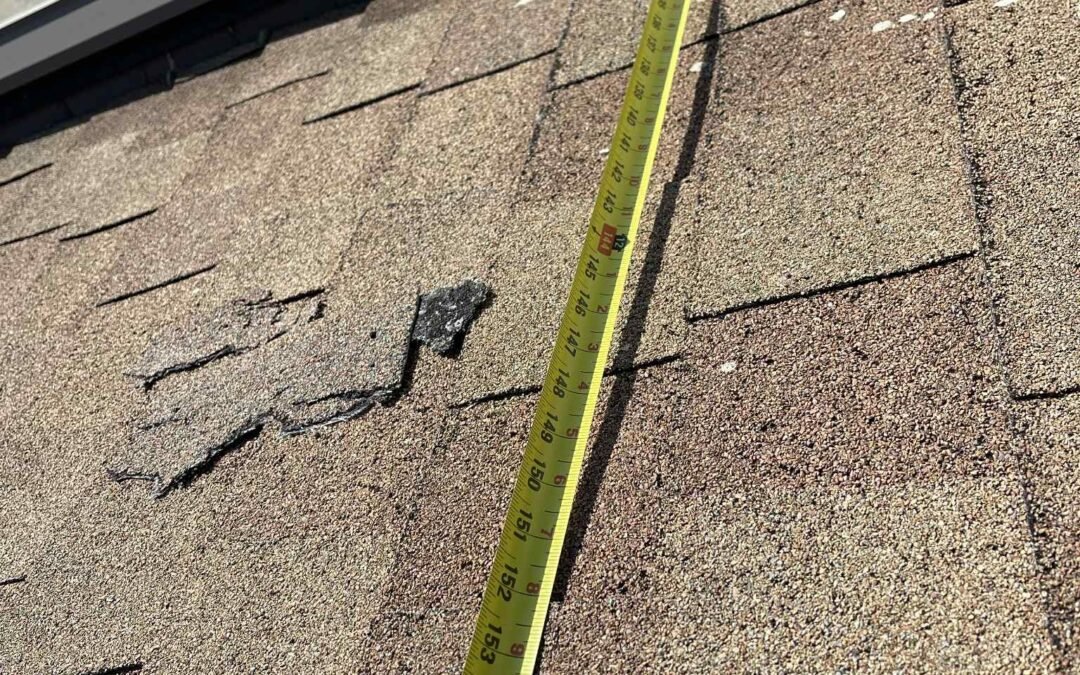
Storm damage is not always obvious when the rain stops. Missing shingles, lifted flashing, or a small opening can allow water in later, and some roof problems only become visible days or weeks after a storm.
Need a roof check now? Call Mr. Blue Home at 281-886-4081 or book a FREE roof inspection. We document roof and visible storm damage with photos for you. The inspection is free, homeowners insurance is not needed to request it, and flexible financing options with NO down payment are available. Financing terms and approval may apply.
First 0–1 hour: Check safety before damage
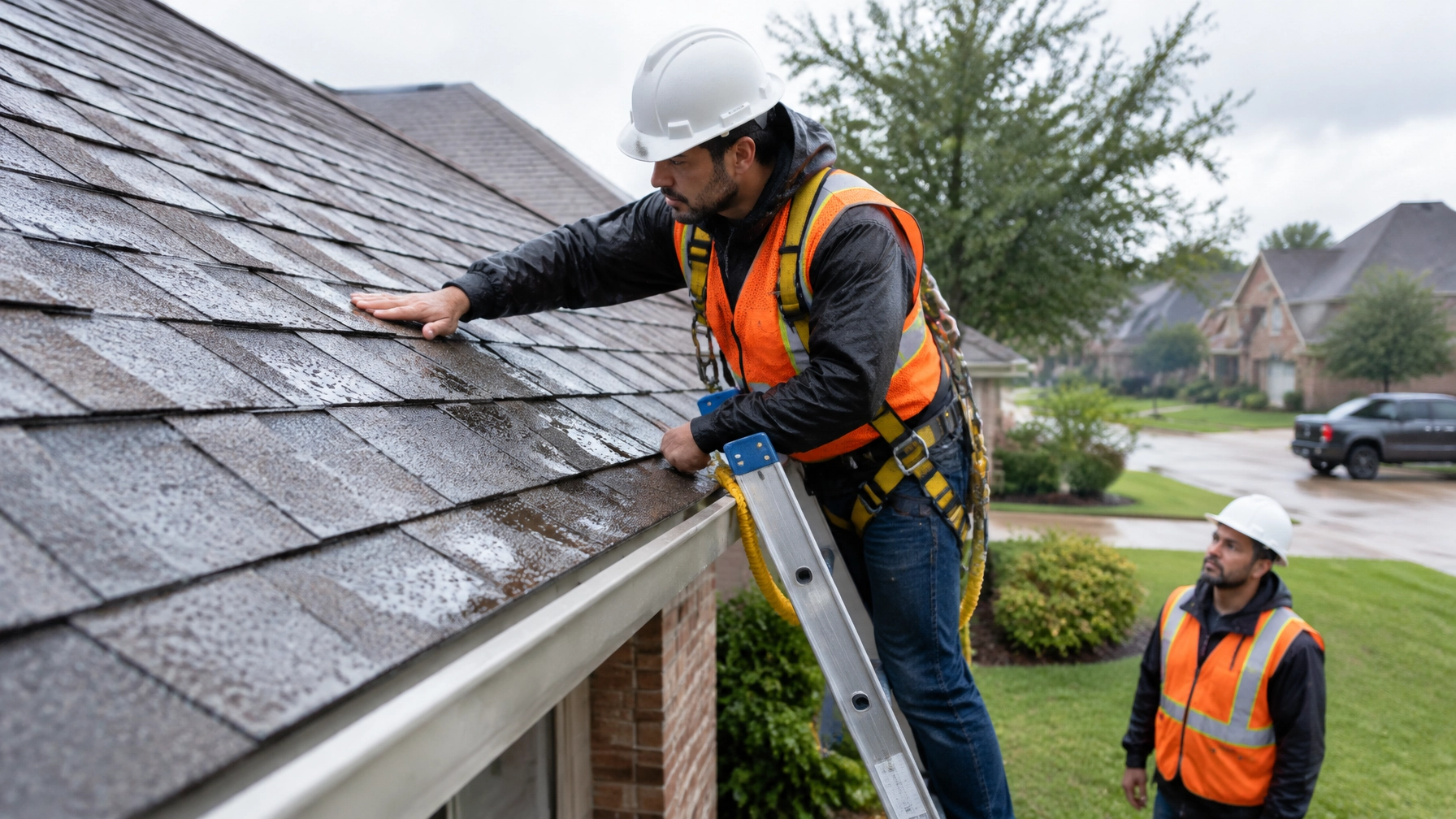
Keep everyone away from damaged areas. Do not climb onto the roof, use a ladder to inspect shingles, or walk beneath sagging ceilings. Storm-damaged roofs can be slippery or unstable, even when the damage looks minor.
If water is near a light fixture, outlet, or electrical panel, do not touch it. Keep away and contact a qualified electrician or emergency service for guidance. If you see a sagging ceiling, a fallen tree, exposed wiring, or structural damage, leave the affected area and get appropriate help.
Move people, pets, and belongings away from active leaks. If it is safe, place a bucket beneath a drip and move valuables out of the room. Do not use a wet electrical device or enter standing water where electrical hazards may be present.
First 1–3 hours: Look from the ground
Once conditions are safe, check the exterior from the ground. Use your phone’s camera zoom or binoculars rather than climbing. Look for:
- Missing, lifted, or scattered shingles
- Bent or loose gutters and downspouts
- Damaged soffits, fascia, or flashing
- Tree limbs or debris on the roof
- Broken windows, siding, or fence sections
- Shingle pieces or roofing debris in the yard
Inside, check ceilings and walls for new stains, bubbling paint, damp drywall, or dripping water. If you can safely access the attic without walking on joists or approaching exposed wiring, look for visible daylight, wet insulation, or water marks. Do not enter an attic that is wet, unstable, unusually hot, or difficult to access safely.

First 3–6 hours: Document before cleanup
Take photos and video before moving or removing damaged items, whenever it is safe to do so. Capture both wide views that show the location and close-ups that show the damage. Include:
- Each visible side of the home and roof
- Shingles, gutters, flashing, vents, and exterior damage
- Ceiling and wall stains from several angles
- Wet flooring, insulation, furniture, and personal belongings
- Fallen branches or other storm debris
Keep the original files so their timestamps remain available. Write down the date and approximate time of the storm, when you first noticed damage, which rooms are affected, and whether the leak changes during rainfall. Make a simple room-by-room list of damaged belongings and building materials. Save photos in a backed-up folder.
For a professional photo record, call Mr. Blue Home at 281-886-4081 or schedule a free inspection. Our team documents visible damage with photos and can inspect the roof safely.
First 6–12 hours: Limit additional water damage
You can take reasonable steps to protect your home while waiting for help. Move belongings, place a container under a drip, and use towels to absorb small amounts of water if the area is safe. If water is collecting on a ceiling, do not poke or cut into it; a saturated ceiling can fall unexpectedly.
Do not climb up to place a tarp or attempt a roof repair yourself. A qualified professional can assess whether temporary covering or other emergency mitigation is appropriate. Contact your insurer before starting work when practical, and ask what emergency work they want documented. If immediate action is needed to prevent further damage, photograph the area first if safe, keep all receipts, and take photos of the temporary work.
Texas Department of Insurance guidance recommends making reasonable temporary repairs to prevent additional damage and keeping receipts. Preserve damaged materials and items when practical, and follow your policy and the insurer’s instructions. For more guidance, review TDI’s storm recovery tips and information on making repairs after a storm.

First 12–24 hours: Contact your insurer and request an inspection
Call your homeowners insurance company or agent to report the damage and ask what the policy requires. Have your policy information, storm date, photos, damage list, and temporary-repair receipts ready. Write down your claim number, the person you spoke with, and any next steps or deadlines they provide.
Ask whether an adjuster will inspect the property, what emergency repairs are permitted, and how to submit photos and receipts. Coverage depends on your policy and the cause of the damage. Do not assume that all storm-related water damage is covered; for example, damage from rising floodwater may involve separate flood coverage.
At the same time, arrange a roof inspection by a qualified roofing contractor. An inspection can help identify visible storm damage and document the roof’s condition. It does not guarantee insurance coverage or determine the outcome of a claim. For roof repair in Houston, Mr. Blue Home provides free inspections and estimates.
Protect your claim and your home
A few common mistakes can make the process harder:
- Do not ignore small signs of water intrusion. Water may travel from the roof before it appears as a ceiling stain, and damage can become visible later.
- Do not discard damaged materials or belongings too soon. Photograph them and ask your insurer how they want them handled.
- Do not authorize a full replacement before you understand the written scope. Separate emergency mitigation from permanent repairs, and keep copies of estimates and contracts.
- Do not sign a door-knocking contractor’s paperwork before you have a written scope. Review the company name, work details, price, payment terms, warranties, and cancellation terms before signing.
- Do not let anyone offer to waive, absorb, or rebate your deductible. Texas law prohibits contractors from waiving, rebating, or absorbing an insurance deductible. The deductible remains the homeowner’s responsibility. Read TDI’s explanation of deductible rules.
- Do not assume the storm is over because the rain stopped. Wind-driven rain and hidden roof openings can lead to leaks after the weather clears. Keep watching for new stains or drips and report them.

Why call Mr. Blue Home?
Mr. Blue Home is a family-owned, fully insured home services company serving Greater Houston. Company credentials include TACLB87914E. Our roofing team provides inspections, repairs, and replacements, with formal product warranties on applicable products.
A storm inspection is free. You do not need homeowners insurance or an active insurance claim to request an inspection or ask about repair options. Flexible financing with NO down payment is available, subject to program terms and approval.
Service areas include Houston, Katy, Sugar Land, Pearland, The Woodlands, Pasadena, Cypress, Spring, Missouri City, League City, Friendswood, Conroe, Baytown, and Stafford.
Call 281-886-4081 or book a FREE roof inspection. We’ll inspect the roof, document visible damage with photos, and discuss repair options.
FAQs
Should I call my insurance company before a roofer?
Report the damage to your insurer promptly and ask about its process. You can also schedule a roof inspection to document visible conditions. Before permanent work, review your policy requirements and coordinate with the adjuster when practical.
Can I put a tarp on my roof myself?
Avoid climbing onto a storm-damaged roof. Falls and unstable surfaces are serious hazards. Ask a qualified roofing professional about safe temporary protection and document the damage before mitigation when possible.
What if I do not see a leak right away?
Continue checking ceilings, walls, and attic areas that can be accessed safely. Some storm damage may not show up as an interior stain immediately. If you notice new signs of water intrusion, photograph them and contact your insurer and a roofing professional.
Do I need insurance to get a free roof inspection?
No. A free inspection can be requested whether or not you have homeowners insurance or intend to file a claim. Mr. Blue Home also offers flexible financing options with no down payment; terms and approval may apply.
Call Mr. Blue Home at 281-886-4081 or book your FREE roof inspection. We document visible damage with photos, and no insurance is needed to request the inspection.